
Healthcare is undergoing a major transformation, driven by rapid advancements in technology that are reshaping how patients are diagnosed, treated, and supported throughout recovery. What once required multiple in-person visits, long wait times, and limited insight into outcomes is now being enhanced by digital tools, artificial intelligence, and data-driven systems. From early detection to long-term care, innovation is improving both efficiency and patient experience across nearly every specialty.
This shift spans everything from routine visits with a family dentist to advanced procedures like bone grafting, as well as ongoing support systems such as alzheimers care. Technology is creating a more connected, personalized, and effective healthcare journey at every stage.
Early Detection and Smarter Diagnostics
The first step in the healthcare journey is accurate diagnosis, and this is where technology is making one of the biggest impacts. Advanced imaging systems, AI-assisted diagnostics, and improved data collection tools are allowing providers to identify conditions earlier and with greater precision.
A throat doctor, for example, can now use high-definition imaging and minimally invasive scopes to examine internal structures with remarkable clarity. These tools make it easier to detect abnormalities early while improving patient comfort during the process.
Digestive health has also seen major innovation. Technologies like capsule endoscopy and microbiome testing provide deeper insights into gastrointestinal conditions without relying on invasive procedures. Patients benefit from faster diagnoses and more targeted treatment plans.
Even routine care has evolved. A family dentist can now use digital X-rays and 3D scans to identify issues such as cavities or gum disease in their earliest stages. This proactive approach helps prevent more serious complications down the line.
Personalized Treatment Planning
Innovations in Active Treatment
During the treatment phase, technological advancements are improving precision, efficiency, and patient comfort. From surgical tools to real-time monitoring systems, modern healthcare is becoming more refined and effective.
Robotic-assisted systems are now commonly used in procedures like plastic surgery and bone grafting, allowing for greater control and accuracy. These innovations often result in smaller incisions, reduced pain, and quicker recovery times.
Non-surgical treatments are also benefiting from technology. Chiropractors and providers focused on digestive health are incorporating biofeedback tools and digital monitoring systems to track patient progress and adjust treatments as needed.
Respiratory care has seen significant improvements with modern oxygen products. Today’s devices are more portable and efficient, enabling patients to maintain their independence while receiving necessary support. Many systems also include smart tracking features that provide real-time data to both patients and providers.
Another notable advancement is the integration of real-time patient monitoring systems within clinics and hospitals. These systems allow healthcare providers to track vital signs, treatment responses, and recovery progress instantly. This continuous stream of data helps reduce complications and ensures quicker interventions when needed, ultimately improving patient safety.
Rehabilitation and Recovery Support
Recovery is a crucial stage in the healthcare process, and technology is making it more accessible and effective. Patients now have tools that allow them to continue their care beyond the clinic and into their daily lives.
Physical therapy has been transformed through the use of wearable devices, motion tracking systems, and virtual platforms. These tools enable therapists to monitor progress remotely and provide real-time feedback, ensuring patients stay on track with their recovery plans.
Online gym software has also become an important part of rehabilitation and ongoing fitness. These platforms offer customized exercise programs, progress tracking, and virtual coaching, helping patients maintain consistency and build strength after treatment.
Chiropractors often integrate digital tools into recovery plans, using apps and tracking systems to monitor posture and movement. This helps patients stay engaged and reduces the likelihood of setbacks during recovery.
In addition, virtual reality is beginning to play a role in rehabilitation. Patients recovering from injuries or surgeries can engage in guided movement exercises in immersive environments, making therapy more interactive and motivating. This approach not only improves adherence but can also accelerate recovery timelines.
Long-Term Care and Chronic Condition Management
Preventative Care and Ongoing Wellness
Technology is not only improving treatment and recovery but also playing a key role in prevention. By providing better tools and insights, healthcare is shifting toward a more proactive model focused on long-term wellness. Instead of waiting for symptoms to appear, both patients and providers can now take action earlier, often preventing conditions from developing or worsening in the first place.
A family dentist can use predictive analytics and digital records to identify potential risks early and recommend preventative care strategies. This helps patients maintain better oral health and avoid more complex procedures. For example, trends in gum health or enamel wear can be tracked over time, allowing for early intervention before issues become severe. Digital reminders and automated scheduling systems also help patients stay consistent with cleanings and checkups, reinforcing preventative habits.
Online gym software supports preventative care by encouraging consistent physical activity and promoting healthier lifestyles. These platforms make it easier for individuals to stay engaged and accountable to their fitness goals. Many programs now adapt in real time based on performance and progress, offering personalized recommendations that evolve with the user. This level of customization helps reduce the risk of injury while promoting sustainable, long-term health improvements.
Chiropractors contribute to prevention by addressing posture and alignment issues before they lead to more serious conditions. With digital tracking tools, they can monitor changes over time and provide ongoing guidance. Patients can also use mobile apps to track their posture throughout the day, receiving alerts when adjustments are needed. This continuous feedback helps prevent chronic pain and musculoskeletal issues from developing.
A throat doctor can also play a preventative role by using advanced screening technologies to detect early signs of issues that might otherwise go unnoticed. High-resolution imaging and diagnostic tools allow for earlier identification of inflammation, growths, or other abnormalities, making treatment more effective and less invasive when caught early.
Wearable health devices are further empowering patients by tracking metrics such as heart rate, activity levels, and sleep patterns. This constant feedback loop encourages healthier habits and allows individuals to take a more active role in managing their well-being. Over time, this data can reveal patterns that signal potential health concerns, prompting earlier action.
In addition, nutrition and digestive health tracking tools are becoming more sophisticated, helping users understand how their diet impacts overall wellness. By logging food intake and symptoms, individuals can identify sensitivities or imbalances and make informed dietary changes. Preventative healthcare is no longer limited to occasional checkups—it is becoming an ongoing, data-driven process that supports healthier lifestyles every day.
The Future Is a Continuous Care Loop
Rather than viewing healthcare as a series of isolated visits, technology is reshaping it into a continuous, connected loop. Diagnosis, treatment, recovery, and prevention are no longer separate phases but part of an ongoing system that evolves with the patient.
Imagine a patient who begins with symptoms identified through advanced diagnostics, receives a tailored treatment plan enhanced by precision tools, and transitions into recovery supported by physical therapy and online gym software. Their progress is tracked in real time, shared across providers, and adjusted as needed. Long after recovery, preventative care tools and wearable devices continue to guide their health decisions.
This is the direction healthcare is heading—an ecosystem where chiropractors, specialists, and general providers work from shared data, supported by intelligent systems that anticipate needs rather than simply react to problems.
As innovations continue in areas like bone grafting, digestive health, and alzheimers care, the boundaries of what is possible will keep expanding. At the same time, improvements in oxygen products and digital health platforms will ensure that patients are supported not just in moments of illness, but throughout their entire lives.
The result is a healthcare experience that feels less like a system to navigate and more like a partnership—one where technology works quietly in the background, helping people live healthier, longer, and more informed lives.
Healthcare is undergoing a major transformation, driven by rapid advancements in technology that are reshaping how patients are diagnosed, treated, and supported throughout recovery. What once required multiple in-person visits, long wait times, and limited insight into outcomes is now being enhanced by digital tools, artificial intelligence, and data-driven systems. From early detection to long-term care, innovation is improving both efficiency and patient experience across nearly every specialty.
This shift spans everything from routine visits with a family dentist to advanced procedures like bone grafting, as well as ongoing support systems such as alzheimers care. Technology is creating a more connected, personalized, and effective healthcare journey at every stage.
Early Detection and Smarter Diagnostics
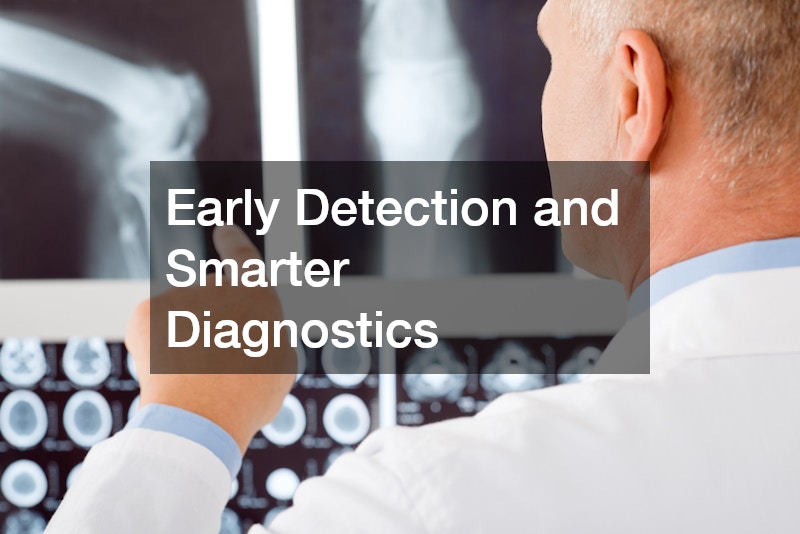
The first step in the healthcare journey is accurate diagnosis, and this is where technology is making one of the biggest impacts. Advanced imaging systems, AI-assisted diagnostics, and improved data collection tools are allowing providers to identify conditions earlier and with greater precision.
A throat doctor, for example, can now use high-definition imaging and minimally invasive scopes to examine internal structures with remarkable clarity. These tools make it easier to detect abnormalities early while improving patient comfort during the process.
Digestive health has also seen major innovation. Technologies like capsule endoscopy and microbiome testing provide deeper insights into gastrointestinal conditions without relying on invasive procedures. Patients benefit from faster diagnoses and more targeted treatment plans.
Even routine care has evolved. A family dentist can now use digital X-rays and 3D scans to identify issues such as cavities or gum disease in their earliest stages. This proactive approach helps prevent more serious complications down the line.
Personalized Treatment Planning
Innovations in Active Treatment
During the treatment phase, technological advancements are improving precision, efficiency, and patient comfort. From surgical tools to real-time monitoring systems, modern healthcare is becoming more refined and effective.
Robotic-assisted systems are now commonly used in procedures like plastic surgery and bone grafting, allowing for greater control and accuracy. These innovations often result in smaller incisions, reduced pain, and quicker recovery times.
Non-surgical treatments are also benefiting from technology. Chiropractors and providers focused on digestive health are incorporating biofeedback tools and digital monitoring systems to track patient progress and adjust treatments as needed.
Respiratory care has seen significant improvements with modern oxygen products. Today’s devices are more portable and efficient, enabling patients to maintain their independence while receiving necessary support. Many systems also include smart tracking features that provide real-time data to both patients and providers.
Another notable advancement is the integration of real-time patient monitoring systems within clinics and hospitals. These systems allow healthcare providers to track vital signs, treatment responses, and recovery progress instantly. This continuous stream of data helps reduce complications and ensures quicker interventions when needed, ultimately improving patient safety.
Rehabilitation and Recovery Support
Recovery is a crucial stage in the healthcare process, and technology is making it more accessible and effective. Patients now have tools that allow them to continue their care beyond the clinic and into their daily lives.
Physical therapy has been transformed through the use of wearable devices, motion tracking systems, and virtual platforms. These tools enable therapists to monitor progress remotely and provide real-time feedback, ensuring patients stay on track with their recovery plans.
Online gym software has also become an important part of rehabilitation and ongoing fitness. These platforms offer customized exercise programs, progress tracking, and virtual coaching, helping patients maintain consistency and build strength after treatment.
Chiropractors often integrate digital tools into recovery plans, using apps and tracking systems to monitor posture and movement. This helps patients stay engaged and reduces the likelihood of setbacks during recovery.
In addition, virtual reality is beginning to play a role in rehabilitation. Patients recovering from injuries or surgeries can engage in guided movement exercises in immersive environments, making therapy more interactive and motivating. This approach not only improves adherence but can also accelerate recovery timelines.
Long-Term Care and Chronic Condition Management
Preventative Care and Ongoing Wellness

Technology is not only improving treatment and recovery but also playing a key role in prevention. By providing better tools and insights, healthcare is shifting toward a more proactive model focused on long-term wellness. Instead of waiting for symptoms to appear, both patients and providers can now take action earlier, often preventing conditions from developing or worsening in the first place.
A family dentist can use predictive analytics and digital records to identify potential risks early and recommend preventative care strategies. This helps patients maintain better oral health and avoid more complex procedures. For example, trends in gum health or enamel wear can be tracked over time, allowing for early intervention before issues become severe. Digital reminders and automated scheduling systems also help patients stay consistent with cleanings and checkups, reinforcing preventative habits.
Online gym software supports preventative care by encouraging consistent physical activity and promoting healthier lifestyles. These platforms make it easier for individuals to stay engaged and accountable to their fitness goals. Many programs now adapt in real time based on performance and progress, offering personalized recommendations that evolve with the user. This level of customization helps reduce the risk of injury while promoting sustainable, long-term health improvements.
Chiropractors contribute to prevention by addressing posture and alignment issues before they lead to more serious conditions. With digital tracking tools, they can monitor changes over time and provide ongoing guidance. Patients can also use mobile apps to track their posture throughout the day, receiving alerts when adjustments are needed. This continuous feedback helps prevent chronic pain and musculoskeletal issues from developing.
A throat doctor can also play a preventative role by using advanced screening technologies to detect early signs of issues that might otherwise go unnoticed. High-resolution imaging and diagnostic tools allow for earlier identification of inflammation, growths, or other abnormalities, making treatment more effective and less invasive when caught early.
Wearable health devices are further empowering patients by tracking metrics such as heart rate, activity levels, and sleep patterns. This constant feedback loop encourages healthier habits and allows individuals to take a more active role in managing their well-being. Over time, this data can reveal patterns that signal potential health concerns, prompting earlier action.
In addition, nutrition and digestive health tracking tools are becoming more sophisticated, helping users understand how their diet impacts overall wellness. By logging food intake and symptoms, individuals can identify sensitivities or imbalances and make informed dietary changes. Preventative healthcare is no longer limited to occasional checkups—it is becoming an ongoing, data-driven process that supports healthier lifestyles every day.
The Future Is a Continuous Care Loop
Rather than viewing healthcare as a series of isolated visits, technology is reshaping it into a continuous, connected loop. Diagnosis, treatment, recovery, and prevention are no longer separate phases but part of an ongoing system that evolves with the patient.
Imagine a patient who begins with symptoms identified through advanced diagnostics, receives a tailored treatment plan enhanced by precision tools, and transitions into recovery supported by physical therapy and online gym software. Their progress is tracked in real time, shared across providers, and adjusted as needed. Long after recovery, preventative care tools and wearable devices continue to guide their health decisions.
This is the direction healthcare is heading—an ecosystem where chiropractors, specialists, and general providers work from shared data, supported by intelligent systems that anticipate needs rather than simply react to problems.
As innovations continue in areas like bone grafting, digestive health, and alzheimers care, the boundaries of what is possible will keep expanding. At the same time, improvements in oxygen products and digital health platforms will ensure that patients are supported not just in moments of illness, but throughout their entire lives.
The result is a healthcare experience that feels less like a system to navigate and more like a partnership—one where technology works quietly in the background, helping people live healthier, longer, and more informed lives.