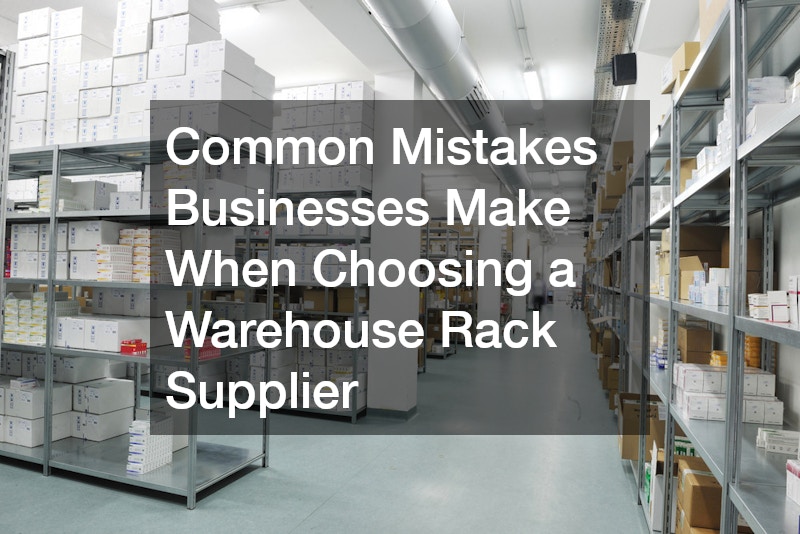
In the intricate world of logistics and supply chain management, choosing the right warehouse rack supplier can significantly impact a business’s operational efficiency. Companies often face challenges in optimizing storage systems, a crucial component when they seek to maximize space usage and streamline workflow.
This article delves into common pitfalls businesses encounter when selecting a warehouse rack supplier and offers insights into making informed decisions.
Not Assessing Supplier Experience and Credibility
One of the primary mistakes businesses make is not thoroughly evaluating the experience and credibility of a potential warehouse rack supplier. This oversight can result in selecting a supplier lacking industry knowledge or expertise in meeting specific needs. A supplier with a solid track record can provide valuable insights and innovative solutions tailored to a company’s operational requirements.
Experience is crucial because it ensures the supplier understands the nuances of different rack systems and can advise on the best options. Businesses should seek references and testimonials to gauge the supplier’s credibility and past performance. Additionally, connecting with other companies that have previously worked with the supplier can provide practical insight into their reliability and service quality.
Another aspect to consider is the supplier’s ability to comply with industry standards and regulations. A credible supplier stays abreast of the latest industry trends and safety protocols, ensuring optimal rack system functionality. Failing to assess these factors can lead to choosing a supplier unable to deliver the desired results, negatively affecting business operations.
Ignoring Customization Options
Many businesses fail to consider the importance of customization when selecting a warehouse rack supplier, leading to inefficient storage solutions. Standard rack systems might not always align with unique business needs, causing operational bottlenecks. A supplier offering customization options can tailor solutions that maximize space and efficiency, fitting seamlessly into the company’s workflow.
Understanding specific storage requirements allows businesses to choose a supplier who can design and deliver personalized solutions. Customization is not just about fitting more products; it’s about optimizing how goods are stored and retrieved. By collaborating closely with the supplier, businesses can achieve operational efficiencies that standard solutions may not provide.
Moreover, without exploring customization possibilities, businesses may encounter future scalability issues. As a company grows, its storage needs will naturally evolve, requiring more flexible and adaptable storage solutions. A warehouse rack supplier with a robust customization offering can accommodate these changes, mitigating potential disruptions and costs associated with reorganizing or replacing outdated systems.
Overlooking Cost Versus Quality
A common yet significant mistake is choosing a warehouse rack supplier based solely on the lowest quote without considering quality. While cost-efficiency is crucial, cheap solutions often lead to costlier problems in the long run due to poor durability and increased maintenance needs. Evaluating the balance between cost and quality ensures businesses benefit from durable, reliable storage solutions that offer value over time.
Quality should never be compromised for the sake of saving a few dollars initially. A high-quality supplier will provide racks that are durable, safe, and long-lasting, which ultimately results in fewer replacements and repairs. These factors should be weighed carefully alongside cost considerations to determine the true value of a supplier’s offerings.
Businesses should also consider the long-term relationship and support a quality supplier can provide. Beyond the initial purchase, ongoing support, customer service, and technical advice are invaluable in maintaining operational efficiency. A reliable warehouse rack supplier will offer comprehensive post-sale services, ensuring any issues are addressed promptly and effectively, reducing downtime and additional expenses.
Neglecting Future Scalability Needs
Another stumbling block occurs when businesses neglect to plan for future scalability while selecting a warehouse rack supplier. The decision should align with not only current needs but also future growth and expansion plans. A supplier capable of scalable solutions can provide systems that grow alongside the business, saving time and resources in the future.
Scalable systems are essential because they allow businesses the flexibility to adapt to increasing inventory levels or changes in business direction. This proactive approach prevents disruptions that a sudden need for more capacity could otherwise cause. Assessing the supplier’s ability to deliver scalable solutions ahead of time can prevent costly overhauls or ineffective workarounds later on.
Additionally, future scalability includes considering advanced technologies and innovations a supplier can incorporate. As the logistics industry evolves, new technologies such as automated systems and smart racks become available. Ensuring the chosen supplier can integrate such technological advancements can future-proof the storage system, offering a competitive edge.
Selecting the right warehouse rack supplier is a crucial process that no business should underestimate. By avoiding common mistakes such as overlooking supplier experience, ignoring customization options, prioritizing cost over quality, and neglecting scalability, businesses can significantly enhance their operational efficiency and flexibility. Making informed decisions that align with long-term strategic goals ultimately contributes to a more streamlined, effective supply chain capable of adapting to future challenges.