
Most homeowners and business owners treat maintenance budgeting as an afterthought, jotting down a rough number and hoping nothing major breaks. But emergencies rarely come out of nowhere. Roofs give warning signs months before they leak, foundations crack slowly before they buckle, and electrical systems flicker before they fail. This article walks through how to build a maintenance budget that treats these warning signs as data points, so you can plan for the expense before it becomes a crisis.
Track the Age and Condition of Your Roof
A roof rarely fails without warning, but most people never track the signs closely enough to see the pattern. Granule loss, curling shingles, and soft spots after heavy rain are all early indicators that a bigger repair bill is coming. Building a maintenance budget means setting aside inspection money every year, not just repair money after a storm.
Scheduling an annual inspection with a local roof repair provider gives you a written record of condition changes over time. That record becomes the backbone of your predictive budget, letting you estimate replacement timelines instead of guessing.
- Get a written inspection report every 12 months, ideally before and after storm season
- Track shingle wear, flashing condition, and gutter debris buildup
- Set aside 1 to 3 percent of your roof’s replacement cost annually
- Compare quotes every few years so your budget reflects current material costs
Watch for Warning Signs in Your Electrical System
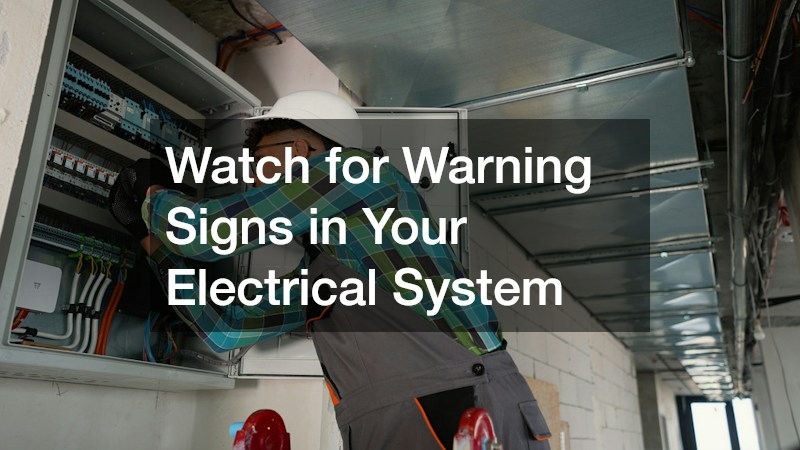
Electrical issues are some of the most dangerous deferred maintenance items because they can cause fires, not just inconvenience. Flickering lights, warm or discolored outlets, buzzing sounds, and breakers that trip repeatedly are signals that something in the system is under strain. Panels older than 20-25 years or properties still running on 60-amp service are also worth flagging, since they often can’t handle modern electrical loads. Build line items into your budget for periodic inspections rather than waiting for a visible failure — an electrician checking panels, wiring, and connections once a year typically costs a few hundred dollars, far less than the cost of rewiring after a fire or dealing with tenant displacement. If your property is older or has a mix of original and updated wiring, budget for infrared thermal scans, which can catch overheating connections long before they become visible problems. A budget that ignores these small signs usually ends up paying far more later for emergency service calls, which often run two to three times the cost of scheduled repairs due to after-hours rates and rush parts sourcing. Setting aside a modest annual reserve specifically for electrical system upgrades — even a small percentage of your total maintenance budget — gives you room to address problems proactively instead of reactively.
Bringing in a licensed electrician for a panel inspection every two to three years helps you catch aging wiring, undersized breakers, or overloaded circuits before they become a hazard. This is especially important in homes or offices built before modern electrical codes were established, since panels installed decades ago often can’t handle today’s electrical loads from computers, HVAC equipment, and other power-hungry devices. Between professional visits, watch for warning signs that shouldn’t wait for a scheduled inspection: flickering lights, warm or discolored outlets, a persistent burning smell, or breakers that trip repeatedly. Buzzing sounds from the panel itself are another red flag worth budgeting an emergency call for. When you do schedule an inspection, ask the electrician to check for outdated components like fuse boxes, aluminum wiring, or federal Pacific panels—all known risk factors that insurers and inspectors flag often. Budgeting $150 to $400 for a routine inspection is far cheaper than the cost of a fire, a failed insurance claim, or an emergency rewiring project down the road.
- Schedule a full panel inspection every 3 to 5 years, or every 2 years for properties older than 30 years
- Note any outlets that feel warm, buzz, or smell of burning plastic — these signal loose connections or overloaded circuits
- Budget separately for rewiring older properties in stages, prioritizing kitchens and laundry rooms where load demands are highest
- Keep a log of breaker trips to spot recurring circuit problems, noting the date, affected room, and appliance in use
- Flag knob-and-tube or aluminum wiring immediately, since insurers often require replacement before renewing coverage
- Set aside 1-2% of the property’s electrical system value annually for incremental upgrades rather than one large emergency expense
Set Aside Funds for Foundation Movement
Foundation problems are one of the most expensive surprises a property owner can face, largely because the signs develop so slowly that they get ignored. Hairline cracks in drywall, doors that stick, and uneven floors are all early clues. A predictive budget treats these small shifts as reasons to schedule a professional evaluation, not just cosmetic touch-ups.
Getting ahead of foundation repair costs means budgeting for soil drainage improvements and crack monitoring before structural work becomes unavoidable. Catching movement early often turns a five-figure repair into a much smaller stabilization project.
- Photograph and date any new cracks to track movement over time
- Check that soil grading slopes away from the foundation
- Budget annually for gutter and downspout extensions to control water flow
- Get a structural assessment if doors or windows suddenly stick
Plan for Property Boundary and Barrier Repairs
Fences and boundary structures take a beating from weather, soil shifts, and general wear, yet they rarely get a line item in most maintenance budgets. Wood rot, leaning posts, and rusted hardware are all predictable failure points that follow a fairly consistent timeline based on material and climate. Building in a small annual allowance for these repairs prevents a minor fix from turning into a full replacement.
Getting quotes from a few fence companies before you need emergency repairs helps you understand realistic replacement costs for your specific materials and property size. This gives you a benchmark to plan against rather than being caught off guard by inflated emergency pricing.
- Inspect posts and hardware for rust or rot twice a year
- Budget for staining or sealing wood fencing every 2 to 3 years
- Set aside funds for storm damage repairs separately from routine upkeep
- Get comparative quotes to understand current material and labor costs
Budget for Flooring Wear in Commercial Spaces

Commercial flooring takes a different kind of punishment than residential floors, with constant foot traffic, rolling equipment, and spills accelerating wear. Cracked tile, peeling laminate, and worn carpet seams are signs that replacement is approaching faster than the depreciation schedule might suggest. A realistic maintenance budget accounts for this accelerated timeline rather than relying on generic industry averages.
Business owners often work with corporate accountants to depreciate office flooring over several years, but the accounting timeline and the physical wear timeline do not always match. It is worth reviewing actual floor condition annually so the maintenance budget reflects reality, not just the depreciation schedule on paper.
- Inspect high-traffic zones like entryways and hallways monthly
- Budget for spot repairs before full replacement becomes necessary
- Track wear patterns to identify areas needing reinforced flooring
- Compare replacement costs against the remaining useful life on your books
Account for Hidden Infrastructure Beneath the Property
Some of the most expensive emergencies come from systems nobody thinks about until they fail, and underground utilities are a prime example. Aging pipes, electrical conduits, and drainage lines can deteriorate for years without any visible sign until a pipe bursts or a line shorts out. Because these systems are hidden, they are also the easiest to leave out of a maintenance budget entirely.
A predictive budget includes periodic camera inspections or utility locates, especially for older properties where original installation records may be incomplete or missing. Spending a modest amount now on inspection can prevent a five-figure excavation and repair bill later.
- Request a camera inspection of sewer and water lines every 3 to 5 years
- Keep records of installation dates and materials for all underground lines
- Budget for locate services before any landscaping or construction project
- Set aside emergency funds specifically for excavation-related repairs
Keep an Emergency Contact List for Urgent Repairs
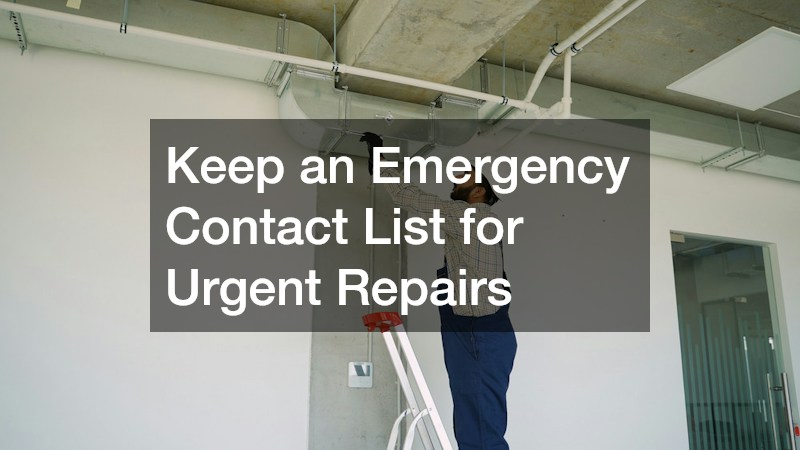
When something does break unexpectedly, the speed of your response often determines how much the repair ultimately costs. Water damage spreads within hours, and electrical hazards can escalate quickly if left unaddressed. Having pre-vetted contacts ready means you are not scrambling to find help during a crisis, which usually leads to overpaying.
This list should include a reliable electric repairman for urgent shocks or outages, along with a heavy equipment provider on standby for larger structural work. If a fallen tree or major structural failure requires lifting heavy materials, having a crane service already identified saves precious time compared to searching for one during the emergency itself.
- Keep at least two vetted contacts for each major trade
- Confirm response times and after-hours availability in advance
- Store contact information digitally and in a printed backup
- Review and update the list annually as providers change
Factor in Security and Monitoring Costs
Vacant properties, construction sites, and commercial buildings after hours are common targets for vandalism and theft, and the resulting damage often falls outside routine maintenance planning. Broken windows, stolen equipment, and vandalized exteriors can add unexpected costs to an otherwise well-planned budget. Building in a modest security allowance helps absorb these irregular but predictable risks.
Many property owners contract patrol services for regular drive-by checks during high-risk periods like construction phases or seasonal vacancies. This relatively small monthly cost is often far cheaper than the repairs and replacements that follow a break-in or vandalism incident.
- Increase monitoring frequency during vacancies or renovations
- Compare costs of camera systems versus in-person patrol checks
- Document any incidents thoroughly for insurance purposes
- Review security spending annually against actual incident history
Build a Reserve Fund Based on Property Age

Older properties need larger reserve funds because more systems are approaching the end of their useful life simultaneously. A ten-year-old roof, an original electrical panel, and aging plumbing can all reach failure points within the same few years if they were installed at the same time. Calculating your reserve based on the age profile of major systems, rather than a flat percentage of property value, produces a far more accurate budget. Start by building an inventory of major systems with their installation dates and expected lifespans: roofing (20-25 years for asphalt shingles), HVAC (15-20 years), water heaters (10-15 years), electrical panels (30-40 years), and plumbing (50+ years for copper, less for older galvanized pipe). Compare each system’s current age against its expected lifespan to see how close it is to replacement. Systems within five years of their expected end-of-life should weight heavily in your reserve calculations, regardless of whether they’re still functioning normally. Properties built in a single construction phase are especially risky because their systems age in lockstep. A property where the roof, HVAC, and water heater were all installed in the same year means you could face three major replacements within the same budget cycle rather than spread across a decade. Staggered renovation histories reduce this risk, so factor in any partial upgrades or replacements when assessing true exposure. A practical rule of thumb: allocate 1-3% of a property’s replacement value annually to reserves for properties under 15 years old, and scale up to 3-5% for properties over 25 years old with original systems. Adjust upward further if multiple major systems cluster near the same end-of-life window. This age-weighted approach catches the compounding risk that flat percentage models consistently miss.
A property’s age should directly shape how much you set aside each year. As a starting benchmark, buildings under 10 years old typically warrant reserves around 5-10% of operating budget, while properties over 25 years old often need 15-20% or more to account for aging roofs, HVAC systems, and plumbing nearing end-of-life. Use your capital needs assessment—covered earlier—to identify which major systems are approaching replacement age, then weight your reserve contributions toward those specific risks. Reviewing this reserve annually and adjusting for inflation in materials and labor keeps the fund realistic rather than symbolic. Construction costs and skilled labor rates have shifted significantly in recent years, so a reserve calculated three years ago may already be 10-15% short of covering today’s actual repair costs. Build in a standing adjustment, even a flat 3-5% annual increase, so the fund keeps pace with market realities rather than quietly losing purchasing power. It also helps to segment the reserve into short-term and long-term buckets: one portion for minor recurring repairs likely within the next 1-2 years, and another for major system replacements 10-15 years out. This structure prevents property managers from raiding long-term reserves to cover everyday fixes. A well-calculated reserve turns sudden emergencies into planned expenses, which is the entire goal of predictive budgeting.
- List the installation age of every major system in the property — roof, HVAC, water heater, plumbing, electrical panel, appliances, paving, and structural components
- Compare each system’s age against its typical lifespan (roofs: 20-25 years, HVAC: 15-20 years, water heaters: 10-12 years) to flag which ones are entering high-risk territory
- Prioritize reserve contributions toward systems nearing the end of their lifespan, funneling extra dollars toward the roof or HVAC before cosmetic upgrades
- Get repair and replacement quotes now, before failure, so contributions are based on real costs instead of guesses
- Adjust the reserve target every year based on updated repair quotes, since material and labor costs rarely stay flat
- Revisit the age-based priority list annually, since a system that was low-risk last year may move to high-priority this year
- Separate reserve funds from routine maintenance funds to avoid overlap, ideally in a distinct account so emergency dollars can’t quietly get spent on everyday upkeep
A property maintenance budget that actually predicts emergencies is built from specific, ongoing observations, not vague annual estimates. By tracking the real condition of your roof, foundation, electrical system, flooring, and underground utilities, you replace guesswork with a realistic timeline of expenses. Start small by creating an inspection schedule and a vetted contact list, then build your reserve fund around the actual age and condition of your property’s major systems. The result is fewer surprises, smaller emergency bills, and a lot more control over your long-term costs.