
Embarking on a comprehensive home renovation is a significant undertaking that promises to transform your living space and increase property value. However, the path to a successful transformation often involves a complex web of logistics, timelines, and specialized professionals. Achieving a seamless renovation requires more than just a vision; it demands the strategic coordination of multiple contractors working in harmony. From the initial demolition to the final architectural flourishes, every phase must be meticulously planned to ensure that one trade does not hinder the progress of another.
A common pitfall for homeowners is treating each service as an isolated event. In reality, home systems are deeply interconnected. For example, the work performed by bathroom remodeling companies is inextricably linked to the plumbing and electrical infrastructure behind the walls. This guide explores how to navigate the intricacies of multi-contractor management, ensuring your project stays on schedule and within budget.
Additionally, effective communication between all parties is crucial. Establish a clear timeline and keep all contractors informed about each phase of the renovation. Regular check-ins can prevent costly delays and miscommunications. Homeowners should also be prepared for unforeseen challenges; flexibility can go a long way in ensuring that the renovation is successful. Ultimately, a well-coordinated approach allows for a smoother process, resulting in a stunning transformation that enhances both functionality and aesthetics.
The Foundation of Planning: Establishing the Project Timeline
The secret to a stress-free renovation lies in the “critical path”—the sequence of stages that must be completed in a specific order. You cannot install high-end cabinetry before the walls are closed, and you certainly shouldn’t close the walls before a local electrician has finished the rough-in wiring.
When planning your timeline, start from the outside in. Exterior structural integrity protects the interior investment. If you are planning a major interior overhaul, your first call should be to a local roofer. Ensuring the envelope of the home is watertight prevents expensive water damage to new materials. During this phase, your contractor will likely coordinate with a roofing supplier to ensure that shingles, flashing, and underlayment arrive exactly when the weather window is optimal.
Simultaneously, consider the periphery of your property. If your renovation includes landscaping or security upgrades, installing custom driveway gates should be timed so that heavy construction vehicles have already finished their frequent trips in and out of the driveway. This prevents accidental damage to expensive gate hardware and masonry.
Managing the Chaos: Waste and Logistics

One of the most overlooked aspects of a large-scale renovation is debris management. A cluttered job site is an unsafe and inefficient one. When you have a local roofer stripping old shingles while interior crews are gutting a kitchen, the volume of waste can become overwhelming within hours.
This is where a professional dumpster rental company becomes an essential partner. By securing reliable dumpster rental services, you provide a centralized location for all trades to dispose of waste. This keeps the driveway clear for the roofing supplier to make deliveries and ensures that the pathways remain open for electrician companies to move their tools and spools of wire safely. Proper waste management isn’t just about cleanliness; it’s about maintaining the “flow” of the site so that contractors aren’t literally tripping over each other’s progress.
The Interplay of Specialized Trades
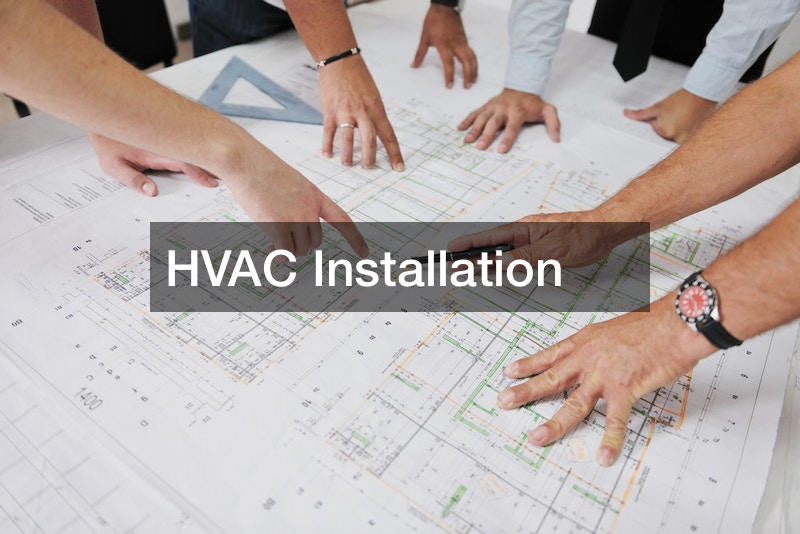
As the renovation moves into the “mechanical” phase, the coordination between specialized trades becomes even more critical. This is the stage where the home’s “nervous system” and “circulatory system” are installed or upgraded. The installation of plumbing, electrical systems, and HVAC is paramount to ensuring that the home functions efficiently and comfortably. Communication among plumbers, electricians, and HVAC technicians is essential to avoid potential conflicts and to ensure that all systems work seamlessly together. Planning for future needs, such as additional outlets or enhanced heating and cooling options, is also vital during this phase. Properly executing these installations will significantly impact the home’s overall performance and energy efficiency.
Electrical and Climate Control
Modern home renovations often involve increasing the electrical load to support smart home features, EV chargers, or high-end appliances. You will need to vet various electrician companies to find one capable of handling a full panel upgrade. While the walls are open, a local electrician can run dedicated lines for new vanity outlets or heated flooring.
Additionally, it’s essential to discuss your specific needs with potential electricians, ensuring they understand the scope of your renovation. Consider asking for estimates and checking reviews to gauge their reliability and expertise. Thorough planning and selecting the right professionals can help avoid costly delays and ensure your renovations meet modern standards and safety regulations. Don’t forget to consider energy efficiency options, as upgrading to LED lighting or smart thermostats can enhance comfort while reducing energy costs in the long run.
This phase must be synchronized with your HVAC strategy. If the renovation involves moving walls, you will likely need a local heating repair specialist to reroute ductwork or balance the airflow for the new layout. Coordinating these two trades ensures that wires and ducts don’t compete for the same narrow spaces between joists, preventing costly rework later in the project.
Plumbing and Waste Systems

For homes not connected to a municipal sewer line, a major renovation often necessitates an inspection of the waste management system. If you are adding a bathroom or increasing the occupancy of the home, a septic repair or tank upgrade might be required by local building codes. It is far better to handle a septic repair at the beginning of the project—while the yard is already a construction zone—than to realize you have a drainage issue after the new sod has been laid.
Once the underlying infrastructure is sound, bathroom remodeling companies can begin their work. Their success depends entirely on the precision of the plumbing and electrical rough-ins performed in the weeks prior. It is essential to collaborate closely with skilled professionals who understand local regulations and best practices. Proper planning can not only prevent costly delays but also enhance the overall quality of the finished space. Homeowners should also consider the long-term maintenance of their systems during this phase, ensuring sustainable fixtures and materials are selected. This approach will lead to a more efficient, functional, and aesthetically pleasing bathroom that meets both current and future needs.
Communication: The Glue of a Seamless Project
Clear communication is the only way to manage the overlapping schedules of a local roofer, a local electrician, and a flooring specialist. Weekly “tailgate meetings” or a shared digital project calendar can help everyone stay on the same page. These practices ensure that all parties are aware of their tasks, deadlines, and any potential delays that may arise.
For instance, the roofing supplier needs to know if the driveway will be blocked by a delivery from the dumpster rental company. Similarly, the local heating repair team needs to know when the bathroom remodeling companies expect to have the subflooring ready so they can install radiant heat loops.
Additionally, setting up a dedicated communication channel, such as a group chat or an email thread, can facilitate quick updates. This encourages immediate feedback and reduces misunderstandings. Moreover, regular updates on the progress of each trade can enhance teamwork and ensure that everyone remains accountable, minimizing idle time and maximizing efficiency. By fostering a culture of open dialogue, all professionals involved can contribute to a more streamlined construction process.
Final Touches and Quality Control
As the project nears completion, the focus shifts to aesthetics and final inspections. This is the “finish” phase, where the local electrician returns to install switch plates and light fixtures, and the local heating repair expert calibrates the thermostat for the first time.
Even at this late stage, coordination is key. You don’t want the crew installing your driveway gates to be working at the same time the dumpster rental services provider is trying to haul away the final load of construction debris. Proper sequencing ensures that the final “polish” of the home remains pristine.
In addition, meticulous attention to detail is crucial during this phase. Every element, from paint touch-ups to ensuring all appliances are hooked up correctly, plays a significant role in the overall finish of the project. This is the moment when the homeowner’s vision can truly come to life. Walkthroughs with contractors can help identify any last-minute adjustments needed to achieve that perfect look. Communication is essential, as everyone involved must be aligned to avoid delays and ensure a successful final outcome. With careful planning and cooperation, the project will culminate in a beautiful finished home ready for its new occupants.
The Value of Expertise
A seamless renovation is a masterpiece of project management. It requires a deep understanding of how different trades—from electrician companies to bathroom remodeling companies—rely on one another to succeed. By prioritizing the structural envelope with a local roofer, managing site logistics with a dumpster rental company, and ensuring the mechanical systems are handled by both a local electrician and a heating expert, you protect your investment and ensure a beautiful, functional result. Moreover, effective communication among all parties is essential. Scheduling regular check-ins can help address any issues as they arise, preventing delays and ensuring the project stays within budget. By fostering collaboration, you can enhance creativity in the design process and achieve a cohesive aesthetic that reflects your vision. Attention to detail and a commitment to quality craftsmanship will ultimately distinguish your renovation, making it not just a remodel but a true transformation of your space. Remember, the right team can make all the difference in bringing your dreams to life.
Understanding Costs and Budgeting

Another critical aspect of managing any renovation is understanding costs and budgeting effectively. It’s essential to allocate your budget wisely across various aspects of the project, from materials to labor. When hiring specialized contractors, get multiple quotes to compare rates and services offered. Don’t be afraid to ask questions about their pricing structure; sometimes, the lowest bid might not accurately reflect the quality of work or service provided.
Consider setting aside a contingency fund of around 10-20% of your total budget. Renovations frequently encounter unexpected issues—be it hidden mold, outdated wiring, or plumbing surprises—that can add to the costs. Having a buffer will navigate these challenges without significantly delaying or derailing your project.
The Importance of Inspections
Given the various technical aspects involved in a home renovation, scheduled inspections are invaluable. After each major phase—such as the rough electrical, plumbing, or HVAC installs—arranging for inspections can be a safeguard against future complications. Inspectors help ensure that all work complies with local building codes and standards.
These steps might seem tedious, but they can save you from more significant headaches in the future. If your renovation includes structural changes, it’s essential to have everything approved by a local inspector before moving on to the next phase of work.
Embracing Flexibility

While meticulous planning is crucial, it’s also essential to embrace flexibility throughout the renovation process. The nature of construction means that sometimes things don’t go according to plan. Be ready to adapt to changes or delays in your timeline or budget. Whether it’s material delays due to supply chain issues or unexpected weather conditions, maintaining a flexible mindset will help keep stress at bay.
Additionally, consider building a buffer into your budget and timeline to accommodate unforeseen circumstances. This preparation can alleviate pressure and allow for creative solutions when challenges arise. Prioritizing open communication with contractors and suppliers can also help address issues promptly and effectively. Flexibility does not mean abandoning your goals; rather, it’s about finding ways to navigate obstacles while still moving forward with your vision.
Whether you are navigating a septic repair or selecting the perfect materials from a roofing supplier, the goal is always the same: a home that feels cohesive, safe, and expertly crafted. The journey of renovation is full of complexities and nuances, but with careful planning, strong communication, and an understanding of how various trades interact, you can create a home that meets your vision and fulfills your expectations. With the right strategies in place, your renovation can be a rewarding experience that enhances both your living space and your investment. An expertly managed renovation can not only transform a house into a nurturing home but also set the stage for memorable moments for years to come.