

Purchasing a commercial property is one of the most significant financial milestones a business or investor can achieve. However, beneath the polished facade of a modern office building, retail strip, or industrial warehouse lies a complex web of interconnected utility systems. If any of these foundational systems fail shortly after closing, the financial consequences can be completely devastating for the new owner. Unforeseen structural flaws, outdated mechanical setups, and years of deferred maintenance can quickly drain a buyer’s capital reserves before the business even has a chance to generate profit. This is why a comprehensive property inspection is not just a standard bureaucratic step in the purchasing timeline; it is a critical safeguard.
A professional inspection provides a clear, unbiased picture of what a buyer is actually inheriting from the previous owner. It transforms an emotional, speculative purchase into a calculated and rational business decision. By methodically evaluating every square foot of the facility, buyers can identify leverage points for final price negotiations or uncover deal-breaking red flags that justify walking away. When examining a property, a savvy investor must look far beyond the superficial cosmetic layers to assess the true operational health of the core infrastructure. For example, evaluating the remaining lifespan and energy efficiency of the primary heating and cooling systems is absolutely crucial, as a failing commercial HVAC unit can cost tens of thousands of dollars to replace unexpectedly. Navigating this intensive process requires a systematic approach that leaves no stone unturned.
Assessing the Building Envelope and Access Points
The exterior shell of a building is the very first line of defense against harsh environmental elements. Buyers must thoroughly examine the roof, foundation, exterior walls, and windows to ensure the structure remains weather-tight and highly secure over the long term. Roof leaks are among the most common and frustrating sources of property damage, often leading to hidden structural rot and hazardous mold long before they become visible from the interior ceiling panels. Inspectors should check the exact age of the roofing material, look for evidence of standing water, and carefully evaluate the condition of flashings and drainage channels. Foundation walls require a close look for horizontal cracks or signs of bowing, which could indicate serious shifting in the surrounding soil.
In addition to weatherproofing, facility accessibility and security are top priorities for any commercial enterprise. Entry points experience constant wear and tear from employees, customers, and delivery personnel on a daily basis. Insufficiently maintained exits can create major security vulnerabilities and violate local fire codes. Inspectors must check that all fire doors close automatically, seal tightly, and latch securely under their own weight. They should also evaluate the physical condition of loading docks, overhead rolling garage doors, and electronic access gates. If a buyer notices sticking frames or damaged overhead tracks during the walkthrough, budgeting for professional commercial door repairs becomes an immediate necessity to prevent operational disruptions and safety hazards on day one.
Evaluating the Core Electrical Power Infrastructure

A commercial facility is only as reliable and productive as its internal electrical grid. Modern business operations rely heavily on stable, uninterrupted power to run computer networks, heavy manufacturing machinery, and expansive lighting systems without flickering or surging. During the due diligence period, a certified electrical inspector should meticulously review the main service panels, sub-panels, transformers, and distribution boards. It is vital to confirm that the building’s current electrical capacity matches the intended operational needs of the incoming tenants. For instance, an industrial manufacturer will require far more amperage and specialized three-phase power setups than a standard corporate office space or medical clinic.
Safety compliance is another major focus when auditing these high-voltage components. Inspectors look for outdated wiring materials, overloaded circuits, ungrounded outlets, and signs of historical overheating, such as scorched plastic components or humming breakers. They must also test emergency backup systems, including illuminated exit signs, battery-powered emergency lights, and backup generators. Because electrical modifications can be incredibly expensive and highly disruptive to perform after a business moves into the space, securing specialized electrical services to complete an exhaustive diagnostic infrared scan of the panels before finalizing the purchase is highly recommended to catch hidden hot spots.
Inspecting Water Supply and Thermal Systems
Plumbing systems in commercial buildings handle significantly higher volumes of water than residential setups, making them prone to accelerated wear and sudden failures. A thorough inspection must look closely at the main water supply lines, shut-off valves, and wastewater drainage pipes. Low water pressure can indicate hidden leaks or extensive mineral buildup within older piping materials like galvanized steel. Inspectors should run pressure tests and use specialized fiber-optic cameras to look inside underground sewer lines, checking for belly pipes, intrusive tree roots, or structural collapses that could lead to catastrophic backups.
Equally important is the heavy-duty equipment responsible for delivering hot water reliably throughout the facility. Whether the property supports a busy office building with dozens of restrooms or an industrial facility with heavy sanitization needs, water heating infrastructure must be dependable. Buyers need to verify the age, storage capacity, and energy efficiency rating of the existing units. Look closely for signs of external corrosion, leaking pressure relief valves, or unusual noises that suggest heavy sediment accumulation inside the tank. If the property relies on an outdated, failing commercial water heater, the buyer must factor the cost of an immediate industrial upgrade into their financial projections before closing the deal.
Examining Interior Substrates and High-Traffic Flooring
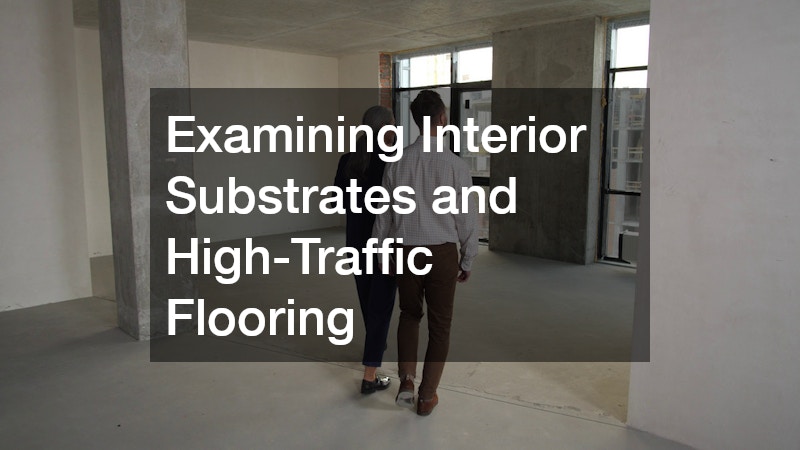
The interior floors of a commercial space endure immense daily punishment from heavy foot traffic, rolling equipment, and moving chemical storage pallets. When conducting a property walkthrough, buyers should look beyond temporary carpeting or vinyl overlays to inspect the underlying concrete slab itself. Significant cracks, uneven surfaces, or shifting floor joints can point to deeper soil compaction issues or structural foundation settling. In industrial settings or automotive repair garages, floors must also be carefully evaluated for chemical resistance, oil staining, and ease of maintenance to ensure they meet modern workplace safety standards.
For properties intended for manufacturing, warehousing, or high-end retail, the condition of specialty protective coatings is paramount to the value of the space. Many modern commercial facilities utilize seamless, high-durability floor coatings to protect the underlying concrete slab from heavy impact and caustic chemical spills. A buyer should examine whether these coatings are peeling, bubbling, or showing signs of delamination due to sub-floor moisture issues. Recognizing the value of professionally installed epoxy floors can save an investor a fortune down the road, as these specialized surfaces provide a long-lasting, slip-resistant barrier that satisfies both corporate aesthetic goals and rigorous occupational safety regulations.
Verifying Health, Sanitation, and Pest Mitigation
A clean, sanitary environment is fundamental to maintaining a lawful, productive, and comfortable commercial enterprise. During a pre-purchase property inspection, buyers must look for any structural vulnerabilities that could allow pests to compromise the property’s health standards. Rodents, birds, and wood-boring bugs can cause severe structural damage by chewing through critical electrical wiring, nesting in expensive insulation, and weakening wooden supports. Inspectors should check the building’s entire perimeter for tiny gaps around utility penetrations, unsealed foundation vents, and overgrown exterior vegetation that provides a direct pathway for infestations.
Uncontrolled pests do not just threaten the physical structure of the building; they also pose significant legal and financial risks, particularly for businesses in the food service, healthcare, or hospitality sectors. A single failed health inspection due to an ongoing infestation can permanently tarnish a company’s brand reputation and lead to costly forced closures. Therefore, buyers should look for evidence of past or present pest activity, such as droppings, bait stations, or wood shavings. Establishing a reliable protocol for routine insect control is a mandatory step for any facility manager looking to keep the building compliant with local health department regulations and protect occupant well-being.
Auditing Ventilation Architecture and Air Quality
Indoor air quality has become a primary focus for modern tenants, employees, and facility managers alike. Properly functioning ventilation systems ensure a steady supply of fresh air while actively filtering out airborne pathogens, dust particles, and volatile organic compounds. During the building inspection, it is essential to trace the exact path of the airflow through the entire structure. Buyers should look for clear signs of poor ventilation, such as musty odors, condensation on window glass, or inconsistent temperatures between different rooms, which often indicate imbalanced air distribution or blocked dampers inside the walls.
While checking the mechanical ventilation units is vital, the internal cleanliness of the air distribution network is just as critical for overall health. Over years of continuous operation, extensive networks of supply and return vents can accumulate thick layers of dust, pollen, construction debris, and even mold. This heavy buildup forces the ventilation equipment to work much harder, driving up monthly energy costs and potentially triggering respiratory issues for building occupants. Buyers should peer into the intake vents and request historical maintenance records to determine if a comprehensive commercial duct cleaning is necessary before welcoming employees or customers into the newly acquired space.
Reviewing Specialized Kitchen and Hospitality Assets
If the commercial property being inspected features an on-site cafeteria, executive break room, or commercial kitchen space, these areas require a specialized subset of rigorous inspection protocols. Commercial food preparation zones house complex, high-duty machinery that operates under strict municipal health department codes. Inspectors must test all built-in refrigeration units, walk-in freezers, and industrial cooking ranges. They should also verify that grease traps are properly installed, easily accessible for routine cleaning, and fully compliant with local environmental ordinances to avoid heavy fines.
Beyond the main cooking appliances, smaller specialized utility machines play a massive role in daily hospitality and office operations. For instance, office complexes, hotels, and restaurants rely on constant access to fresh, clean ice for staff and patrons throughout the day. The inspection should include an evaluation of the storage bins, water filtration hookups, and condenser coils of any existing ice production units. A neglected, contaminated commercial ice machine can quickly become a dangerous breeding ground for bacteria, making a thorough mechanical and sanitation review of this specific asset an absolute priority during the building walkthrough.
Evaluating Exterior Branding, Visibility, and Zoning
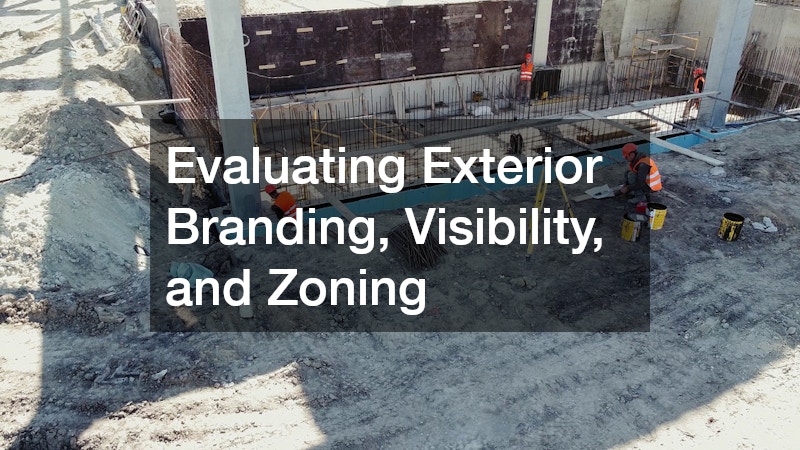
The exterior elements of a commercial property dictate its first impression and overall accessibility to the general public. Buyers must step outside the building envelope to inspect parking lot conditions, asphalt striping, storm water management basins, and outdoor security lighting fixtures. It is also important to verify that walkways, ramps, and entryways comply with accessibility laws to protect the business from potential liability lawsuits. Furthermore, investors must review local zoning laws and easement agreements to ensure the property boundaries match the physical layout on the ground.
Visibility is a driving factor for retail and commercial success, which makes permanent exterior promotional structures a highly valuable asset for any business owner. Inspectors should examine the structural integrity of pylon structures, monument bases, and facade-mounted sign frames. They need to check for stable electrical connections, secure anchoring, and weather-resistant seals. If a buyer plans to replace old branding with their own corporate logo, understanding the structural readiness of the building for a new sign installation is essential, as local permits, wind-load requirements, and electrical hookups can significantly impact the final budget.
Preparing for the Final Walkthrough and Operational Launch
Once the physical inspection reports are completely finalized, the buyer enters the critical phase of converting raw data into actionable operational plans. The findings from the inspection should be compiled into a prioritized master list of immediate repairs, medium-term maintenance tasks, and long-term capital replacement cycles. This document serves as a powerful tool during final lease or purchase negotiations. It allows the final buyer to request price reductions or insist that the current owner address critical safety violations before the title is officially transferred.
With the building certified as structurally and mechanically sound, the focus naturally shifts toward preparing the facility for its official opening day. This involves coordinating with various professional contractors to handle remaining cosmetic updates and operational logistics. For businesses looking to establish a unified corporate presence right from the start, this is also the ideal time to coordinate internal branding efforts. Partnering with a reliable screen printing company allows the business to produce high-quality, branded apparel for the facility management crew, field technicians, and front-of-house staff, ensuring the team looks polished and professional the moment the doors open.
By following a meticulous, multi-system checklist, new commercial property buyers can minimize financial risk and set their business ventures up for long-term operational success.