
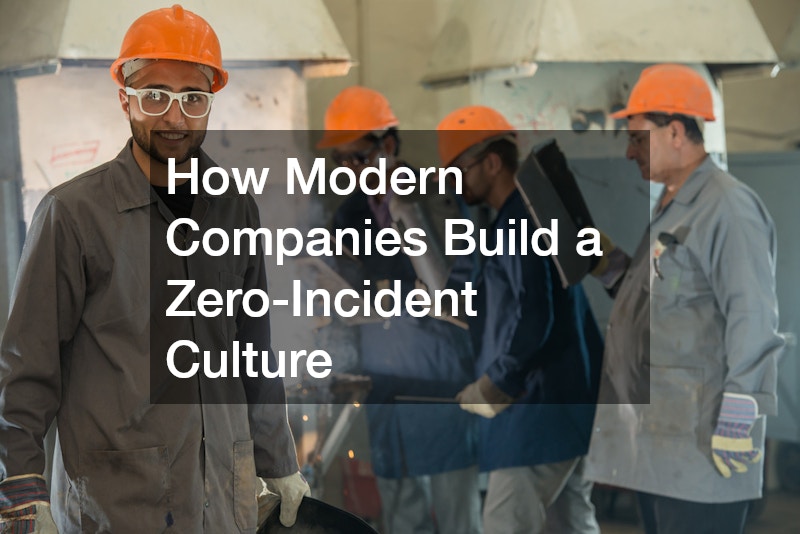
Achieving zero incidents across a modern commercial enterprise requires far more than posting warning signs or handing out safety manuals during onboarding. High-performing organizations view safety as an active, integrated culture that spans every single facet of their physical footprint and organizational workflow. From the heavy machinery operating on the front lines to the quiet administrative decisions made behind closed doors, every operational touchpoint either strengthens or weakens an organization’s safety posture.
Building a resilient, zero-incident workplace involves aligning skilled workforce preparation, rigorous equipment and facility management, robust material integrity, and comprehensive support systems for employees. When these elements operate in harmony, companies dramatically reduce risk, protect their workforce, and elevate operational productivity.
Laying the Foundation Through Skilled Workforce Preparation
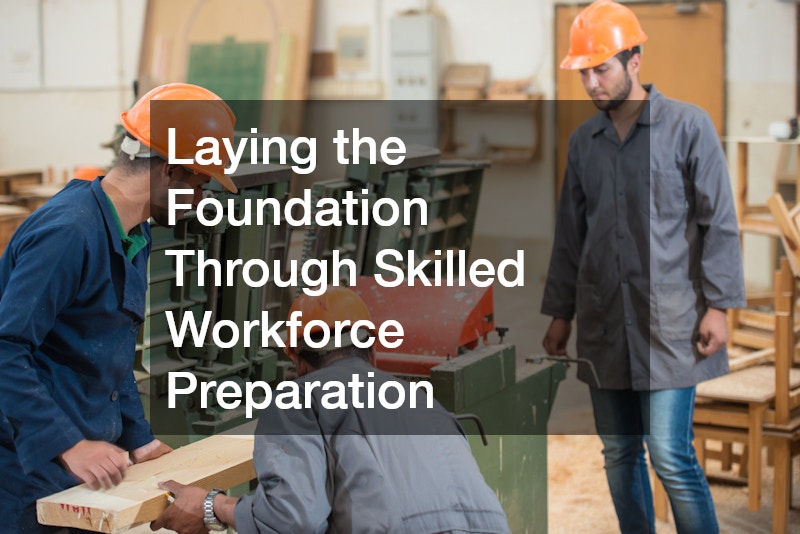
A safe jobsite begins with properly trained personnel who understand both the mechanics of their tools and the protocols required to operate them without risk. True operational safety goes beyond memorizing compliance manuals; it hinges on building an intuitive understanding of risk across every physical task. In high-risk fields, hands-on vocational preparation establishes the fundamental safety habits that workers carry throughout their entire careers. When workforce education prioritizes practical risk management alongside technical skill, safety becomes second nature rather than a secondary thought. Investing heavily in frontline human capital transforms safety from an abstract administrative goal into a living daily standard executed by every team member.
When businesses source talent or send existing employees for skill upgrades, partnering with accredited welding training schools ensures that trade professionals understand thermal hazards, proper personal protective equipment, structural integrity checks, and ventilation management before striking their first arc. This baseline education eliminates costly beginner errors, instills precise material handling habits, and builds a permanent foundation of situational awareness. By standardizing these core competencies early on, organizations significantly decrease the likelihood of hot-work incidents, flash burns, or structural joints failing under operational stress down the road. Furthermore, robust trade education teaches workers how to evaluate their immediate surroundings for combustible hazards, inspect torch lines for leaks, and select the correct shade of filter lens, preventing long-term physical degradation such as eye strain or respiratory illness.
Training cannot stop at initial certifications, nor can it be treated as a one-time event during onboarding. As facilities expand, project scopes evolve, and maintenance requirements grow, continuous equipment operator competence becomes a primary defense against preventable workplace injuries. Continuous skills refreshers help bridge the gap between theoretical knowledge and real-world execution on complex, fast-moving job sites. Experienced workers can gradually develop overconfidence or shortcut routines over time, making periodic refresher courses essential for eliminating bad habits before they result in property damage or bodily harm.
Aerial work platforms, for instance, represent one of the highest vertical risk factors on any jobsite, where a single miscalculation can have severe consequences. Ensuring that staff regularly participate in certified boom and scissor lift training services guarantees that operators thoroughly understand load capacities, ground stability factors, overhead obstruction risks, harness tie-off protocols, and emergency lowering procedures. Comprehensive training also covers pre-operation machine inspections, hydraulic leak checks, and safe maneuvering across uneven terrain, ensuring operators are fully equipped to handle unexpected environmental variables. Regular recertifications reinforce critical instincts, keeping safety top of mind even during routine tasks. When workers possess thorough, practical training that adapts alongside technological and facility updates, equipment-related accidents drop precipitously, creating a safer environment for the entire site and establishing an organization-wide standard of operational excellence.
Heavy Equipment and Mechanical Systems Integrity
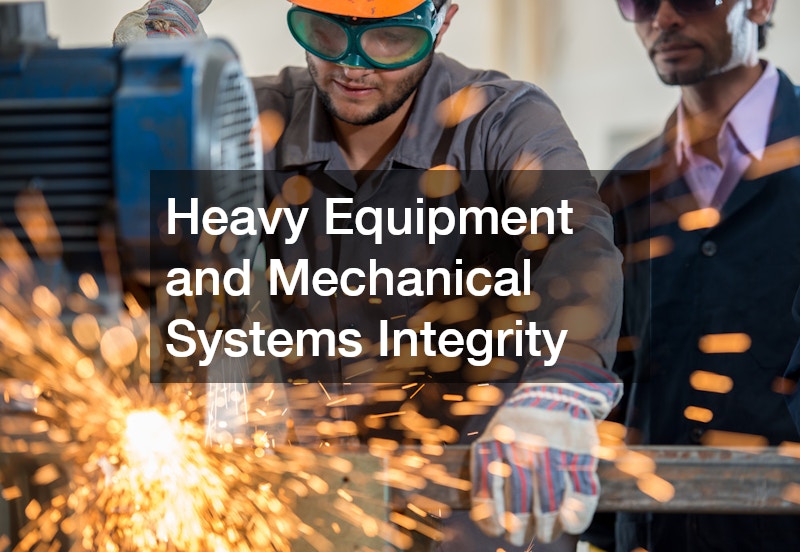
The physical machinery used across construction, manufacturing, and logistics environments subjects components to immense physical stress. Equipment failure is a leading cause of sudden jobsite injuries, making proactive mechanical maintenance a central pillar of any zero-incident strategy.
Heavy-duty equipment relies on precise hydraulic force to perform demanding tasks safely. Sourcing components from reputable hydraulic cylinder companies ensures that fluid power systems meet strict pressure tolerances and safety factors. Subpar or poorly maintained hydraulic components risk catastrophic seal failures, fluid leaks, or sudden loss of load control, all of which pose severe risks to surrounding crews.
A complete zero-incident framework connects every layer of operation into a cohesive protective network. Upfront workforce preparation lays the groundwork through technical trade education and certified aerial lift training. Mechanical integrity is then sustained by sourcing high-grade components for hydraulics and heavy equipment blades. At the same time, structural longevity and site cleanliness rely on material testing and proactive waste disposal solutions. Indoors, engineered fire protection calculations and sanitation services preserve facility safety, while clear legal compliance and family support benefits protect human capital on and off the job.
Similarly, in earthmoving, grading, and infrastructure projects, the quality of ground-engaging tools directly impacts operator control and machine balance. Outfitting grading equipment with high-strength carbon grader blades prevents unexpected blade breakage or uneven wear that can cause machinery to jump or jerk violently during operation. High-grade materials maintain a consistent cutting edge, reducing mechanical strain on the vehicle and giving operators predictable control over heavy machinery.
Material Quality, Testing, and Waste Management
Operational safety extends far beyond visible hazards, reaching deep into the invisible integrity of the materials built into structures and heavy equipment, as well as the immediate, daily cleanliness and order of the working environment. A chaotic, neglected, or structurally compromised workspace naturally invites hazards, turning everyday routine tasks into unpredictable, high-risk scenarios. Maintaining a true zero-incident facility requires proactive and relentless vigilance, systematically addressing both the microscopic, slow-moving degradation of critical physical infrastructure and the fast-accumulating visible clutter that disrupts daily operational flows. When companies treat material integrity and site cleanliness as core operational standards rather than secondary chores, they build a physical foundation where safety is reinforced at every level.
Environmental factors like humidity, chemical exposure, extreme thermal fluctuations, and continuous atmospheric stress silently weaken metal infrastructure over time. Left unchecked, structural fatigue and localized degradation can result in sudden, catastrophic component failure that directly threatens the lives of everyone on-site and leads to costly, unscheduled operational downtime. Engaging a professional corrosion testing service allows safety engineers and facility managers to evaluate material durability, measure precise rates of oxidation, identify early chemical degradation, and systematically replace compromised structural components long before any physical failure occurs. Whether inspecting outdoor steel frameworks exposed to harsh coastal air, heavy storage tanks holding volatile liquid compounds, or high-pressure processing pipelines operating under continuous stress, ongoing material testing ensures long-term structural reliability, satisfies regulatory compliance, and provides measurable, mathematical proof of physical integrity.
Beyond physical metallurgy, the internal health of heavy operating equipment must be subjected to the same rigorous diagnostic standards. Mechanical systems continuously operating under heavy loads develop internal micro-fractures, seal degradation, and stress points that are completely invisible to the human eye during a standard visual inspection. Instituting non-destructive testing, acoustic monitoring, and routine material fluid checks creates an early warning system for fleet managers. Catching structural stress in machinery arms, high-pressure lines, or load-bearing chassis early prevents catastrophic operational mechanical drops or sudden loss of system pressure while workers are nearby.
Simultaneously, daily housekeeping on active jobsites and inside busy industrial facilities plays a direct, crucial role in slip, trip, and fall prevention—statistically remaining among the most common and expensive causes of workplace injury across every major industry. Cluttered work floors piled high with scattered scrap metal, discarded packing materials, excess sawdust, untamed electrical cords, or general construction waste create constant tripping hazards, impede the safe maneuverability of heavy machinery, and dangerously block vital emergency egress routes. A disorganized site invariably signals a breakdown in overall operational discipline that often correlates with broader, more dangerous safety oversights across the entire team.
Securing reliable local dumpster rentals gives work crews dedicated, high-capacity containment for ongoing, real-time debris removal, keeping primary walkways clear and ensuring that hazardous or combustible waste is separated and disposed of systematically. Establishing structured, centralized waste management protocols encourages team members to actively clean as they work, integrating routine site maintenance directly into their daily production goals rather than leaving it as an afterthought at the end of a long shift. Clear, well-maintained thoroughfares also reduce operator fatigue, as workers no longer have to navigate complex physical obstacle courses just to move tools, materials, or equipment from one station to another. By pairing rigorous, scientific structural testing with proactive, floor-level order and waste management, modern organizations build an environment where both hidden material threats and visible operational hazards are effectively contained long before they can lead to an incident.
Engineering Safe Facilities and Sanitation Infrastructure
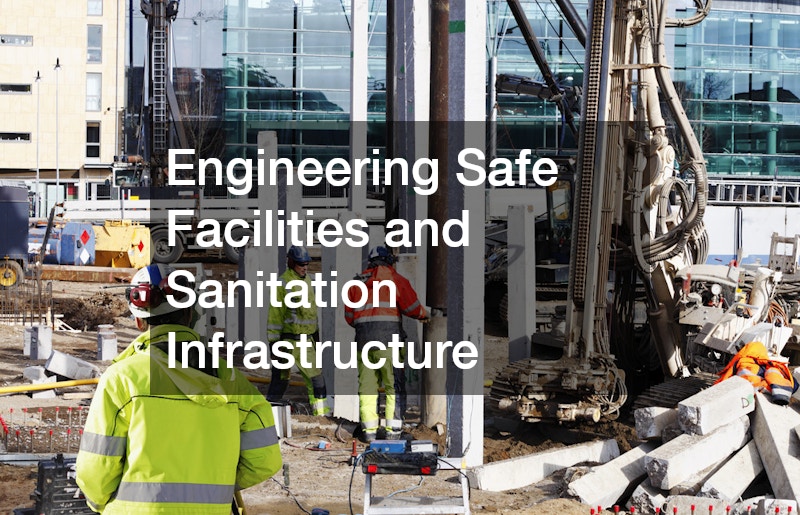
Building a zero-incident environment requires equal attention to facility systems and emergency preparedness infrastructure. Physical facilities must be designed, engineered, and maintained to manage internal risks automatically and handle unexpected crises without placing personnel in harm’s way. When structural safety features operate seamlessly in the background, employees can focus entirely on their core responsibilities, confident that the built environment around them is optimized to protect their physical well-being.
Fire protection stands as one of the most critical and complex safety systems within any commercial, industrial, or manufacturing building. Designing an effective fire suppression network requires precise mechanical engineering and fluid dynamics rather than broad estimations or guesswork. Performing accurate fire sprinkler hydraulic calculations ensures that water supply networks deliver the precise pressure and volume flow rate needed at every individual sprinkler head across an entire facility footprint. These calculations account for pipe friction loss, elevation changes, and high-hazard storage density zones. Properly calculated systems guarantee that in the event of a thermal emergency, suppression response is immediate, powerful, and localized, suppressing flames before they can spread, protecting human life, and limiting catastrophic structural damage.
Facilities that operate commercial kitchens, processing lines, or staff dining halls face additional daily health, environmental, and fire hazards related to heavy grease buildup. Over time, volatile fats, oils, and grease accumulate within drainage networks, creating severe hidden threats. Contracting a professional, safe grease trap service prevents dangerous grease backups, foul atmospheric odors, floor-level slip risks around drainage basins, and potential fire risks within exhaust and piping systems. Regular maintenance schedules ensure that interceptors are thoroughly cleared, keeping toxic fumes and organic blockages from impacting indoor air quality or surface sanitation.
Maintaining sanitary, clear drainage infrastructure ensures that back-of-house staff works in clean, non-hazardous conditions while remaining fully compliant with local municipal health codes and environmental discharge standards. By treating facility infrastructure as a proactive defense mechanism—balancing automated life safety engineering with rigorous sanitation protocols—businesses eliminate foundational hazards long before they escalate into critical emergencies.
Aligning Legal Risk with Human Capital Support
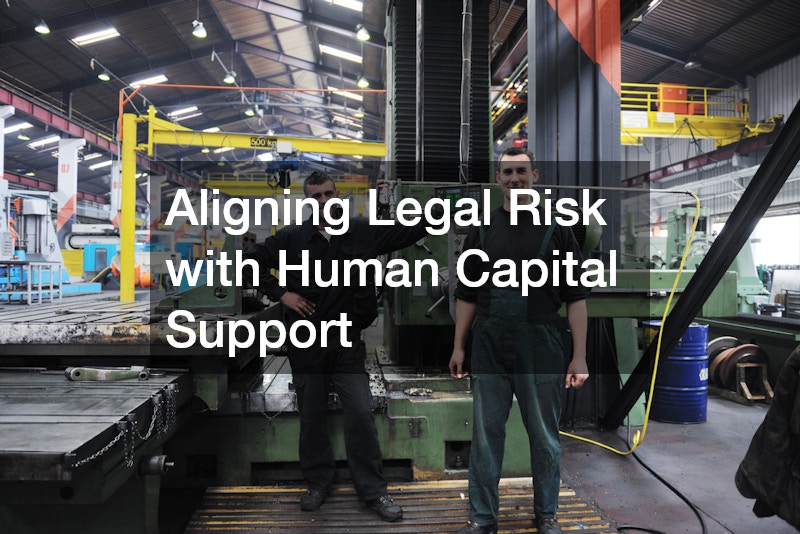
The final layer of a mature safety culture addresses the human side of operations and the regulatory frameworks that govern worker protection. True safety cultures look beyond simple compliance, viewing worker wellbeing as a holistic priority that encompasses physical health, emotional stability, and financial security. When leadership treats employees as valuable human capital rather than replaceable assets, trust flourishes, encouraging workers to report near-misses and safety concerns proactively without fear of retaliation.
Despite best efforts, when workplace injuries do occur, transparent management and a thorough understanding of workers’ comp law ensure that injured employees receive prompt medical care, fair compensation, and structured return-to-work rehabilitation programs. Clear knowledge of compensation regulations helps organizations maintain fair practices, avoid legal disputes, and identify systemic gaps in safety protocols that led to the incident in the first place. Furthermore, maintaining open communication throughout the claims and recovery process reassures the rest of the workforce that the company genuinely stands behind its people during difficult times, preserving team morale and loyalty.
Finally, organizational health encompasses comprehensive off-the-job support that directly reduces employee fatigue, mental stress, and dangerous distraction on the shop floor. Providing access to a reliable child care center as part of an employee benefits package significantly alleviates personal stress and logistical burdens for working parents. Employees who know their children are in safe, quality care are better able to arrive at work well-rested and maintain the sharp, uninterrupted focus required when operating complex machinery or navigating hazardous work zones. Off-site peace of mind directly translates to on-site vigilance.
A true zero-incident culture is never accidental or maintained by good luck alone. It is the deliberate result of combining educated tradespeople, well-maintained machinery, engineered facility safeguards, transparent administrative practices, and supportive corporate policies. By treating safety as an interconnected network spanning every department, organizations build environments where operational excellence thrives, and every worker returns home safely at the end of every shift.