
Launching a fleet business, whether it is a delivery service, a rideshare operation, or a company with a handful of work trucks, comes with financial risks that go far beyond vehicle purchases and fuel costs. Many new fleet owners budget carefully for maintenance and payroll but fail to account for the true cost of accident liability, and that gap can sink a promising business within its first year. Understanding how liability works, what insurance actually covers, and how legal costs stack up after a collision is essential before you put a single vehicle on the road. This article walks through the practical steps to protect your business, your drivers, and your bottom line.
Estimating the Real Cost of a Fleet Collision
New fleet owners often underestimate what a single collision can cost once you add up vehicle repairs, medical bills, lost income from downed vehicles, and potential legal claims. A minor fender bender might cost a few thousand dollars, but a serious car accident involving injuries can easily run into six figures once settlements and legal fees are included. Because commercial vehicles are on the road more often and for longer distances than personal cars, the statistical odds of an incident rise with every vehicle added to your fleet.
Business owners should treat accident costs as a recurring operational expense rather than a rare emergency. Setting aside a dedicated reserve fund, separate from general operating capital, helps absorb these costs without disrupting payroll or vehicle replacement schedules.
- Vehicle repair or replacement costs
- Medical expenses for injured parties
- Lost revenue while vehicles are out of service
- Potential legal fees and settlement payouts
- Increased insurance premiums following a claim
Choosing Commercial Insurance Coverage Levels
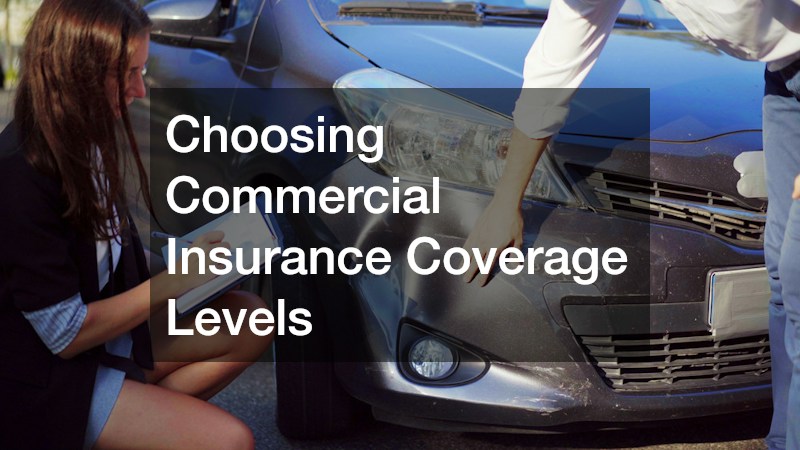
Personal auto insurance policies do not extend to vehicles used for business purposes, which surprises many new fleet operators. Commercial auto insurance is structured differently, with higher liability limits and additional coverage options designed for the increased risk of operating multiple vehicles. Skimping on coverage to save money upfront often backfires when a claim exceeds the policy limit, leaving the business responsible for the remainder out of pocket.
Work with an insurance broker who specializes in commercial fleets rather than a generalist, since fleet policies involve nuances like non-owned vehicle coverage and hired auto liability. Reviewing your policy annually as your fleet grows ensures your coverage limits keep pace with your actual exposure.
- General liability versus commercial auto liability
- Uninsured and underinsured motorist coverage
- Cargo and equipment insurance
- Umbrella policies for excess liability protection
Screening and Training Drivers to Reduce Risk
The single biggest factor influencing your accident rate is who is behind the wheel. A thorough hiring process that includes motor vehicle record checks, drug testing, and verified driving history can filter out high-risk candidates before they ever get behind the wheel of a company vehicle. Ongoing training, not just a one-time orientation, keeps safety habits sharp and reduces the likelihood of preventable incidents.
Many fleet businesses now use telematics systems that monitor speed, braking patterns, and hours of service to flag risky behavior early. Addressing small issues, like harsh braking or frequent speeding, before they lead to a serious incident is far cheaper than dealing with the aftermath of a crash.
- Pre-employment driving record checks
- Regular defensive driving refresher courses
- GPS and telematics monitoring
- Clear policies on phone use and fatigue management
Preparing for the Legal Aftermath of a Crash
Even with the best safety practices, accidents will eventually happen, and how your business responds in the first 24 hours matters enormously. Having a clear incident response protocol, including who documents the scene, who notifies insurance, and who communicates with injured parties, prevents confusion and protects the company legally. If another driver or pedestrian is injured, they may consult a personal injury lawyer fairly quickly, and your business should be prepared to respond through its own legal counsel rather than negotiating directly.
It is worth establishing a relationship with a car accident lawyer before you ever need one, much like you would with an accountant or insurance broker. Having legal counsel familiar with your business and fleet operations means faster, more informed responses when a claim arises, rather than scrambling to find representation during a crisis. This kind of proactive planning often reduces settlement costs and shortens the time it takes to resolve disputes.
- Document the scene with photos and witness information
- Report the incident to insurance within the required timeframe
- Preserve dashcam or telematics footage
- Avoid making statements that could be interpreted as admitting fault
Building Contracts and Policies That Limit Exposure
Beyond insurance and driver training, the legal structure of your business itself can limit your exposure to catastrophic losses. Forming an LLC or corporation separates personal assets from business liabilities, which matters enormously if a lawsuit ever exceeds your insurance coverage. Contracts with clients, subcontractors, and independent drivers should clearly outline who is responsible for what in the event of an accident.
Many fleet owners also fail to realize that after a serious collision, the injured party’s attorney may examine hiring records, maintenance logs, and driver qualifications to determine whether the company was negligent. If a case escalates, you may find yourself coordinating with personal injury lawyers representing the other party, and having clean, well-documented records makes that process far less costly. Keeping thorough maintenance and training records is not just good practice, it is a legal safeguard.
- Separate business entity formation (LLC or corporation)
- Written contracts with drivers and subcontractors
- Documented vehicle maintenance schedules
- Retained records of driver training and certifications
Starting a fleet business is an exciting step, but long-term success depends on treating accident liability as a core part of your financial planning rather than an afterthought. By securing proper insurance, screening drivers carefully, preparing a legal response plan, and structuring your business to limit exposure, you put yourself in a far stronger position when the unexpected happens. Take time now to review your current coverage and policies, and consult with insurance and legal professionals who understand fleet operations before you add another vehicle to the road.