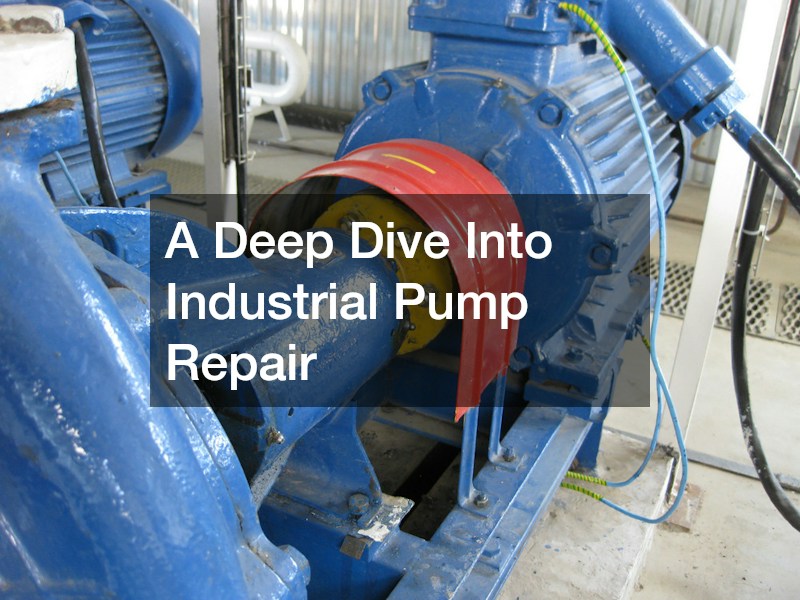
Industrial pumps are vital elements pivotal to the efficiency and functionality of numerous sectors, including manufacturing, water treatment, and energy production. They play a critical role in transporting a wide array of fluids such as water, oils, and chemicals, all of which are integral to the operations of these industries. Therefore, when an industrial pump malfunctions, it can lead to substantial downtime and significant financial losses. This is where industrial pump repair becomes indispensable, ensuring the pumps operate efficiently and reliably to prevent such interruptions. Grasping the intricacies of these repair processes is crucial for upholding optimal operational efficiency, which translates to preserving a seamless workflow and averting costly delays.
The complex architecture and engineering principles underlying industrial pumps necessitate specialized expertise for adequate repair and maintenance. An in-depth understanding of pump components — including rotors, impellers, and seals — is vital for effective troubleshooting and repair. Engaging in regular maintenance and conducting timely repairs not only helps avert disastrous failures but also extends the life expectancy of this critical equipment. Moreover, high-quality repairs can significantly boost pump performance, thus enhancing energy efficiency and curtailing operational expenses. Organizations that maintain dedicated repair teams often experience lower rates of disruption, smoother production cycles, and improved output rates, underlining the importance of specialized maintenance staff.
In the drive towards operational excellence, predictive maintenance strategies have gained prominence in industrial environments. These strategies, enhanced by cutting-edge monitoring technologies, help in identifying wear and potential problems at an early stage, allowing industries to time repairs during off-peak periods. This preemptive scheduling supports uninterrupted production flow and mitigates the likelihood of emergency breakdowns. Trained technicians employ performance data and historical operation records to detect potential concerns, using a proactive maintenance approach. This underscores the vital role of industrial pump repair in sustaining a competitive advantage, as well-prepared industries are better positioned to adapt to fluctuating demands and challenges.
Common Issues Encountered in Industrial Pump Repair
Operating continuously and handling a variety of materials, industrial pumps encounter a range of challenges. Frequently observed issues include seal leakage, corrosion, and cavitation, all of which can adversely affect performance. Seal leakage typically arises from worn or deteriorated sealing components, allowing fluids to escape and causing pressure imbalances. On the other hand, corrosion results from chemical interactions between the pump’s materials and the fluids it processes, leading to material degradation over time. Cavitation, a phenomenon characterized by the formation and subsequent collapse of vapor bubbles within the pump, can inflict considerable damage on internal surfaces.
Accurate diagnosis of these issues is imperative for effective repairs. For instance, seal failures demand a comprehensive examination of both static and dynamic seal components, followed by necessary replacements or refurbishments. In the fight against corrosion, identifying corrosion-resistant materials and implementing protective coatings is essential. Addressing cavitation involves modifying pump operations to maintain appropriate fluid levels and pressures. Ultimately, precise diagnosis coupled with corrective measures can prevent prolonged downtime and the need for extensive overhauls.
Effective troubleshooting extends beyond immediate problem resolution and delves into analyzing root causes. For instance, recurrent seal failures might be indicative of excessive pump vibration, shaft misalignment, or improper installation techniques. Similarly, ongoing corrosion issues might point to inadequately treated industrial fluids or mismatched materials. Utilizing advanced diagnostic tools like vibration analysis and thermography aids in uncovering these underlying causes. Such comprehensive evaluations empower technicians to devise long-term solutions that prevent problem recurrence and optimize pump functionality.
Best Practices in Industrial Pump Repair
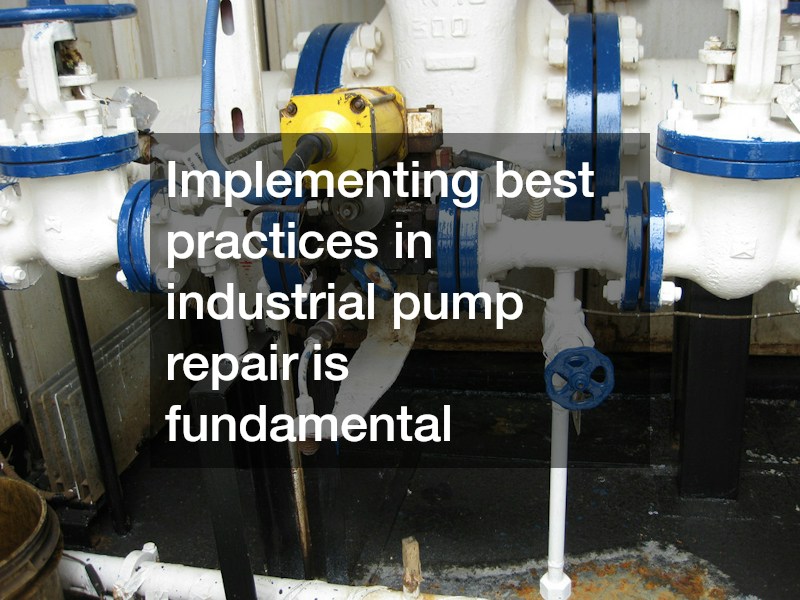
Implementing best practices in industrial pump repair is fundamental to maintaining system efficiency and extending equipment lifespan. A structured repair protocol begins with a thorough inspection checklist, which documents the pump’s operational conditions and notes any observable changes in performance. Maintenance teams should conduct regular reviews of this checklist to detect patterns and abnormalities. A crucial consideration during inspections is the monitoring of vibration levels, which can signal abnormal wear in components. Following these observations, technicians can undertake preemptive interventions aimed at reducing the risk of potential disruptions.
Moreover, it is imperative that technicians are well-equipped with the appropriate tools and training to conduct precise repairs. This training should encompass a deep comprehension of pump systems and the application of advanced diagnostic technologies. Effective communication among team members is critical, ensuring seamless information sharing throughout the repair process. Emphasizing historical data and the dissemination of knowledge fosters a cohesive and well-informed repair team. The ultimate aim is to empower technicians with the expertise to anticipate challenges and deliver timely, accurate repairs that uphold the pumps’ performance and durability.
Incorporating a planned maintenance schedule is another best practice that yields profound advantages. This schedule includes regular inspections, systematic testing, and the fine-tuning of pump systems. Monitoring parameters like flow rates, pressure levels, and temperature gradients is essential in assessing the pumps’ operational health. Corrective actions determined during these evaluations can be integrated with production schedules to minimize downtime. Adopting these structured maintenance routines ensures the enduring functionality and efficiency of industrial pumps, ultimately supporting the uninterrupted flow of industrial processes.